Guides · 5 min read
How to protect children from air pollution: a parent's guide for smog and haze days
How to protect children from air pollution on smog and haze days: when to keep them in, safe AQI levels for play, clean air at home, masks and school rules.
 By the Good Air team
In this article · 6 sections
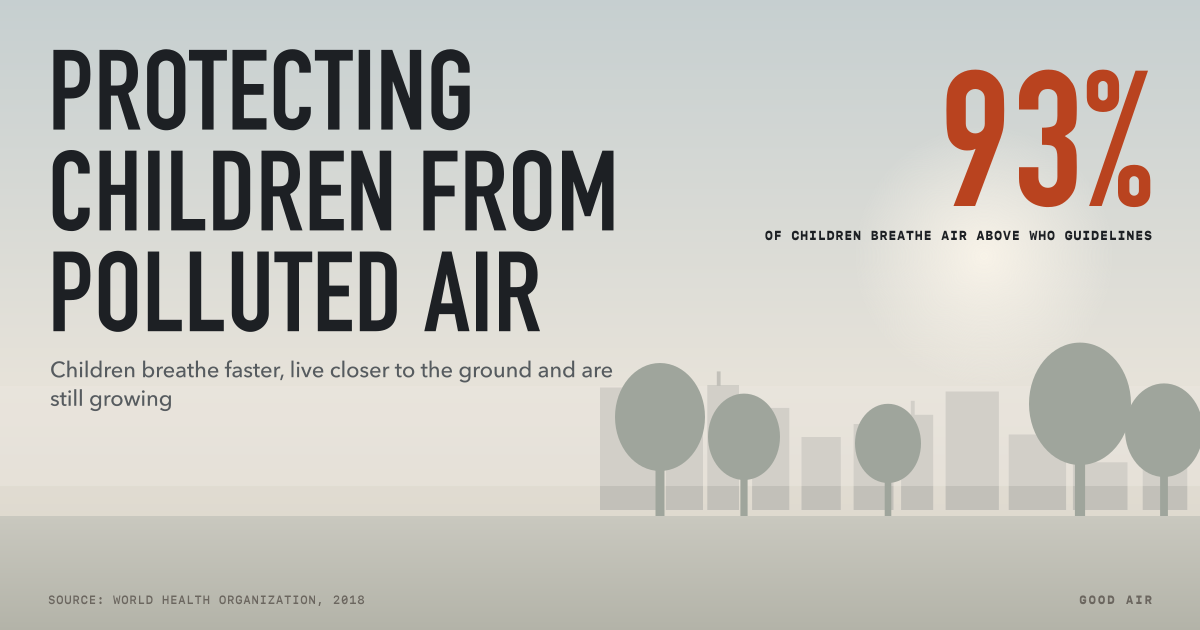
To protect children from air pollution, check the air quality every day, keep children indoors with the windows shut and an air purifier running when the AQI is Unhealthy, and move play to cleaner times and places away from traffic. The World Health Organization (WHO) estimates that 93% of the world's children under 15 breathe air dirtier than its guidelines, and that air pollution was linked to about 600,000 deaths of children under 15 in 2016 (WHO, 29 October 2018).
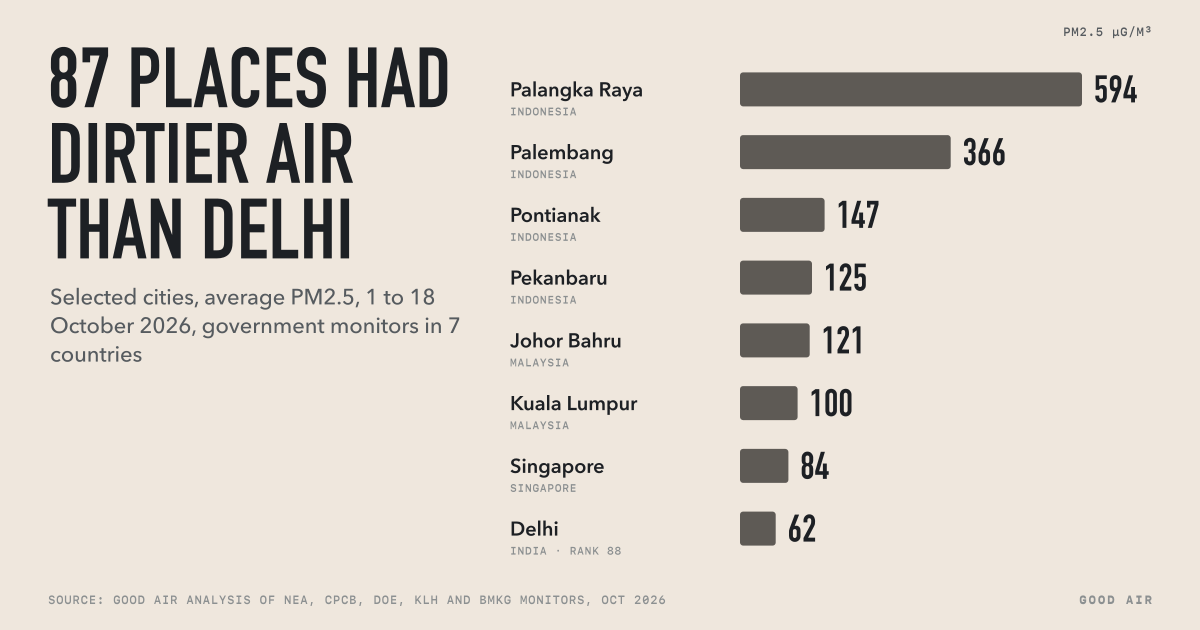
This matters right now. On 15 October 2026, haze from fires in Indonesia pushed western Singapore's 24-hour PSI to 212, and Singapore closed outdoor and non-air-conditioned facilities at sport centres across most of the island (The Straits Times via Yahoo News, 15 October), a day after every school in three Malaysian states shut. Smog season is also starting in Delhi and North India.
Why are children more at risk from air pollution?
WHO gives four reasons (WHO, 29 October 2018):
- They breathe faster than adults, so they take in more pollution for their size.
- They are closer to the ground, where some pollutants are most concentrated.
- Their lungs and brains are still developing. The US Environmental Protection Agency (EPA) says this makes them especially sensitive to smoke (US EPA, updated 22 May 2026).
- Babies and young children are most exposed to smoke from cooking and heating fuels at home.
WHO links air pollution in childhood to reduced lung function, asthma, lower respiratory infections, effects on brain development and a higher risk of heart disease later in life. In low- and middle-income countries, household and outdoor air pollution together cause more than half of acute lower respiratory infections in children under five.
What AQI is safe for children to play outside?
The US EPA's guidance for schools sets out how to adjust outdoor activity at each level of the US Air Quality Index (AQI). It says children, including teenagers, are more sensitive than adults (US EPA, Air Quality and Outdoor Activity Guidance for Schools):
| US AQI | Band | What the EPA advises for children |
|---|---|---|
| 0 to 50 | Good | A great day to be active outside |
| 51 to 100 | Moderate | Fine to be active outside; unusually sensitive children may have symptoms |
| 101 to 150 | Unhealthy for Sensitive Groups | Take more breaks and do less intense activities; consider moving long or hard activities indoors |
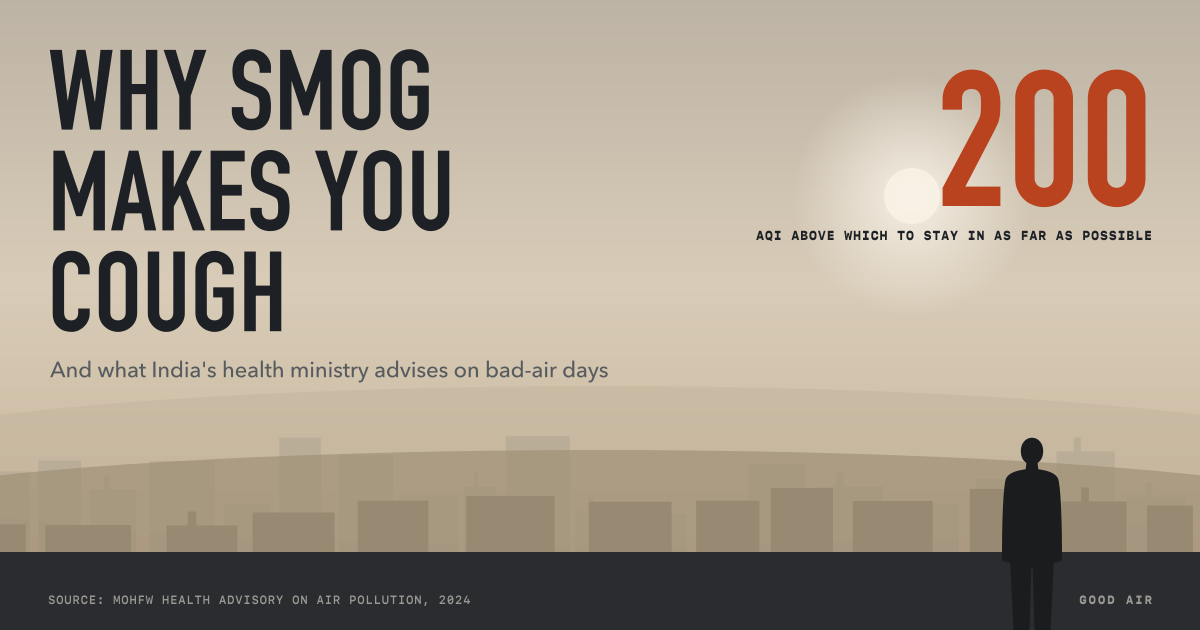
| 151 to 200 | Unhealthy | Move all activities indoors or reschedule |
| 201 and above | Very Unhealthy or worse | Move all activities indoors or reschedule |

Children with asthma should follow their asthma action plans and keep their quick-relief medicine handy from the Moderate band upwards. If your app shows India's National Air Quality Index (NAQI) instead, its health note for the Moderate band (101 to 200) already mentions discomfort for children; our explainer on US AQI vs India's NAQI shows how the two scales compare. Each band has its own page, such as AQI 151 to 200.
How long children can stay out on a bad day has no exact answer. The EPA says the worse the air, the more important breaks, lighter activity and watching for symptoms become, because children breathe harder, and take in more pollution, when they run.
How to keep the air at home clean
Home is where children spend most of their time, so it is where you can do the most.
- Shut windows and doors on bad days. If you have air conditioning, set it to recirculate rather than draw in outside air (US EPA, May 2026).
- Run an air purifier in the room where your child sleeps, all the time, with the door closed. Our guide to purifier size and CADR explains what to buy. The EPA warns against ozone generators sold as air cleaners, which irritate the lungs.
- Make one clean room. If you have one purifier, use it in one room and keep the children there on the worst days.
- Cut indoor smoke. No smoking indoors, and limit incense, mosquito coils and frying with the windows shut. WHO says smoke from polluting cooking and heating fuels harms young children most.
- Air out when the air is clean. Open windows when the reading drops to Good or Satisfactory, often after rain or wind.
Should children wear masks for air pollution?
Masks help less for children than for adults, and they come second to clean indoor air. The US EPA says not to rely on masks for protection from smoke, and that masks, including N95s, are not made to fit children (US EPA, May 2026).
The US Centers for Disease Control and Prevention (CDC) is a little less strict. It says children aged 2 and over can wear respirators and masks, but that approved respirators do not come in sizes suitable for very young children, and smaller ones are usually designed for adults. A mask should fit over the nose and under the chin without blocking vision; one that fits badly or feels uncomfortable will be pulled down or taken off (CDC, reviewed 24 August 2026).
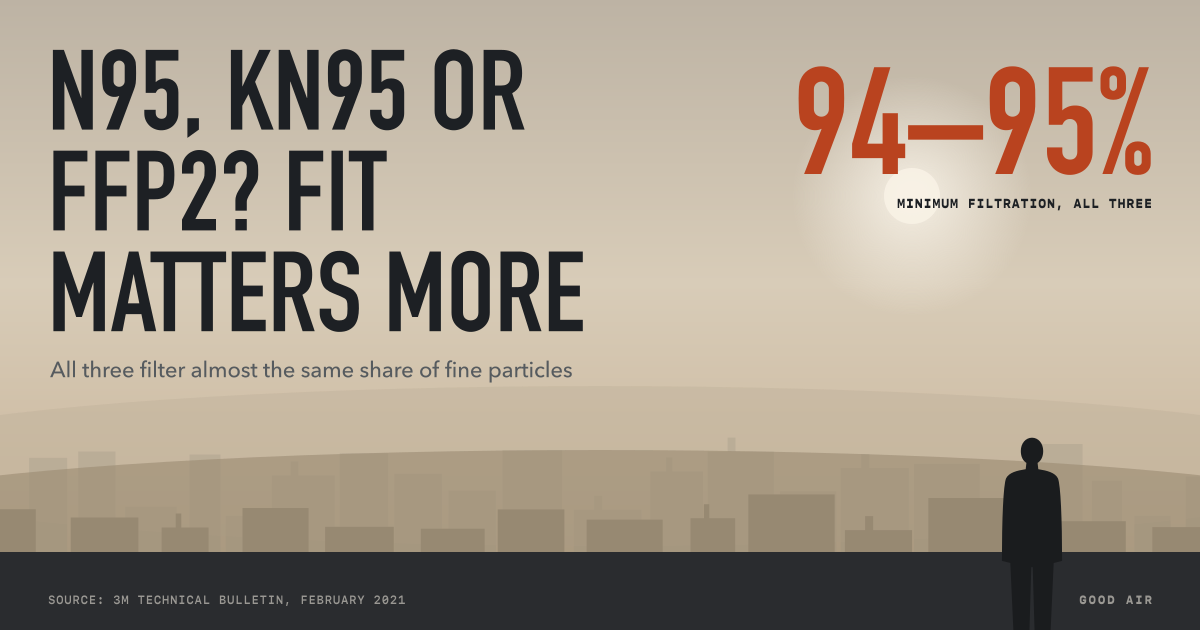
Singapore's National Environment Agency (NEA) includes children aged 7 to 16 among those eligible for free N95 masks once the 24-hour PSI passes 200 (NEA, 9 October). Our guide to N95, KN95 and FFP2 masks explains how to check a fit. Ask your doctor before using a mask for a child with heart or lung disease.
What should schools do on smoggy or hazy days?
Rules depend on where you live. Three examples from this season:
- Singapore. Above a 24-hour PSI of 200, preschools stop outdoor and strenuous indoor activities and keep children inside with windows closed and purifiers or air conditioning on. Schools keep students indoors and avoid outdoor activities. The Ministry of Education considers closing schools if the next day's PSI is forecast above 300 (NEA, 9 October).
- Malaysia. States close schools when the Air Pollutant Index stays high; in October 2026 that closed every school in Johor, Melaka and Negeri Sembilan. Our report on Malaysia's haze school closures explains who decides.
- Delhi NCR. Under the Graded Response Action Plan, primary classes may move to hybrid or online teaching from Stage III. GRAP explained lists each stage.
Questions worth asking your child's school: Who checks the AQI each morning, and which number do they use? At what level does play move indoors? Are classrooms fitted with air purifiers? How will you tell parents about closures?
Signs your child is struggling with the air
The EPA lists symptoms to watch for: coughing, wheezing, chest pain or tightness, trouble breathing, a burning nose, throat or eyes, and dizziness. If symptoms start, the child should stop, rest indoors and use any reliever medicine as prescribed. If they don't improve, get medical help.
Children with asthma, allergies or other long-term conditions are at higher risk. Keep their action plan up to date before the smog or haze season starts, and make sure the school has a copy.
Frequently asked questions
What AQI is safe for children to play outside?
On the US AQI, the EPA says children can be active outside at Good (0 to 50) and Moderate (51 to 100). From 101 they should take more breaks and do lighter activities, and from 151 (Unhealthy) all activities should move indoors or be rescheduled. Children with asthma should follow their action plans at every level.
Should I keep my child home from school because of air pollution?
Follow the decisions of the school and the local authority, which close schools at set levels: in Singapore, for example, closures are considered when the next day's 24-hour PSI is forecast above 300. Schools that stay open on bad days keep children indoors with windows closed. If your child has asthma or symptoms such as wheezing, ask your doctor.
Can children wear N95 masks?
The US EPA says N95 masks are not made to fit children and should not be relied on for protection from smoke. The CDC says children aged 2 and older can wear respirators if they fit well, though approved sizes for small children are lacking. Keeping children indoors in clean air is the main protection.
Do air purifiers help children with asthma?
A portable air purifier with a HEPA filter, sized for the room and run continuously with the windows and doors closed, lowers indoor particle levels, which the US EPA recommends during smoke events. It does not replace asthma medicine or an action plan, but it reduces exposure where children sleep.
Why are children more affected by air pollution than adults?
Children breathe faster than adults, so they take in more pollution for their body size. They are closer to the ground, where some pollutants concentrate, and their lungs and brains are still developing, according to the World Health Organization. Smoke from cooking and heating fuels at home also affects young children most.